 New
New$299,900
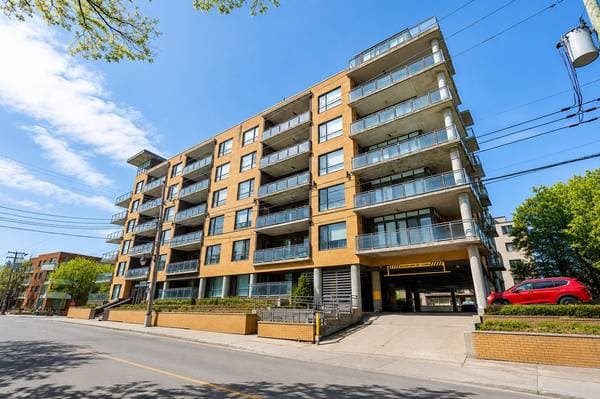
795 Ch. du Bord-du-Lac-Lakeshore #110
Dorval
1 bath369 ft²
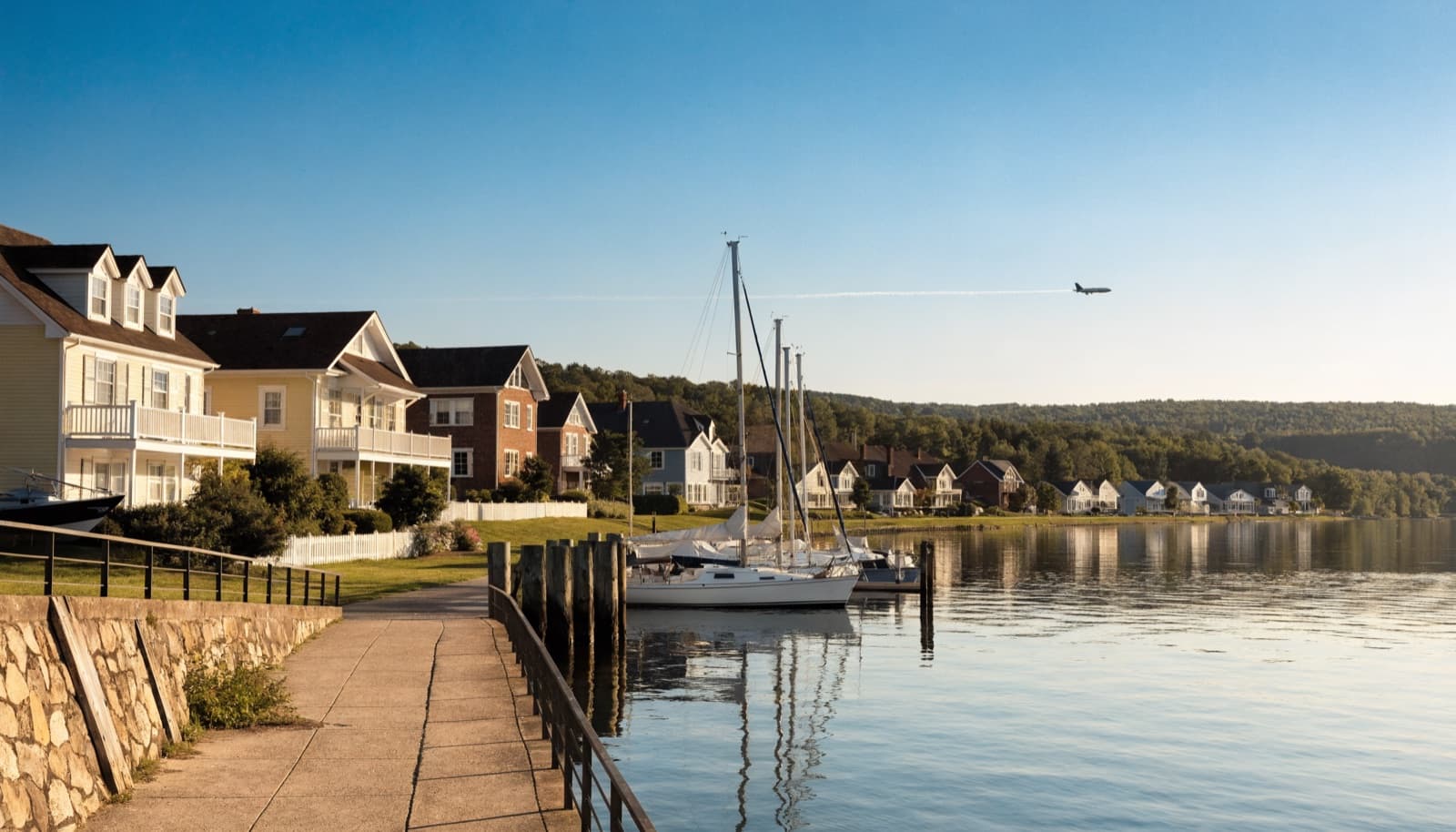
West Island
A historic lakeside village with an unpretentious postwar housing stock, unbeatable transport links and a waterfront most of Montreal has never bothered to discover.
A historic lakeside village with an unpretentious postwar housing stock, unbeatable transport links and a waterfront most of Montreal has never bothered to discover.
Highways 20, 40 and 520 converge here, exo and VIA Rail trains stop at Dorval, and Montréal–Trudeau International Airport is literally in town.
Families are served by the Lester B. Pearson School Board on the English side and the Centre de services scolaire Marguerite-Bourgeoys on the French side.
A long public shoreline on Lac Saint-Louis anchored by Pine Beach Park, the marina and sailing clubs, with quirky little Dorval Island just offshore.
Say Dorval and most Montrealers picture the airport. Say Dorval to someone who actually lives there and they will describe something else entirely: a lakeside village with a pier, quiet streets of solid postwar homes, and one of the most underrated waterfronts on the island of Montreal. Both versions are true, and the gap between them is precisely where the opportunity lives.
Dorval is one of the oldest communities in the West Island, and its historic heart — Dorval Village, along Lakeshore Drive — still behaves like one. Shops, restaurants, the church, the marina and a string of waterfront parks line the shore of Lac Saint-Louis, with Pine Beach Park as the local favourite for swims, picnics and stubborn January walks. Offshore sits Dorval Island, a tiny summer community that is one of the West Island's most charming oddities. Sailing, rowing and paddling clubs keep the shoreline busy all season.
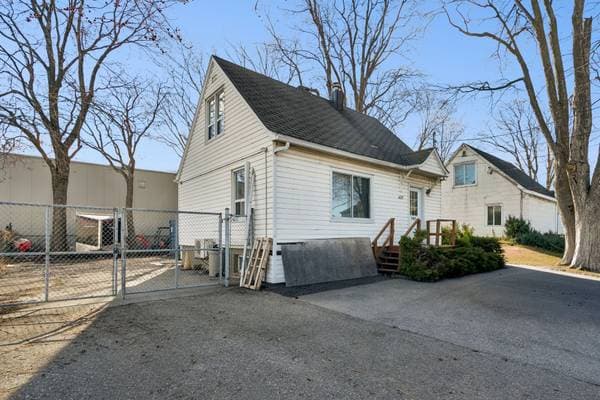
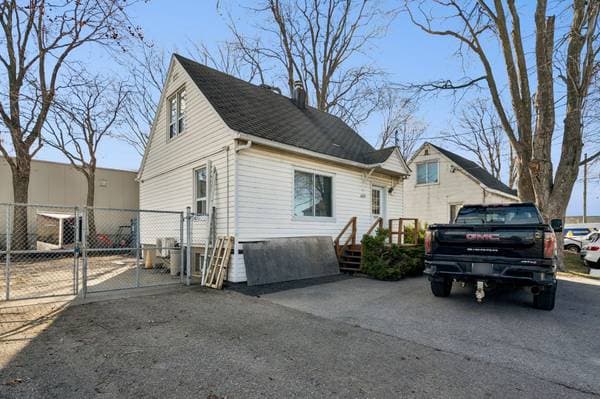
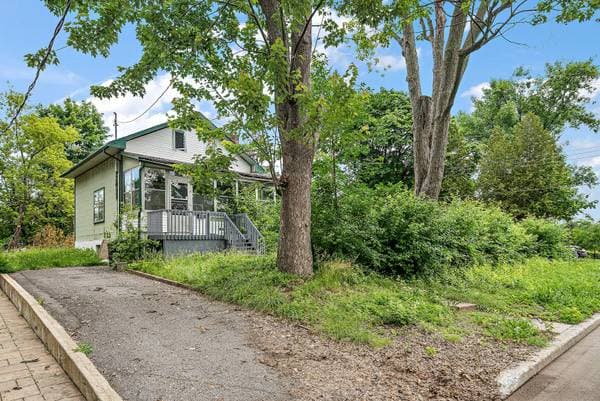
The housing stock is refreshingly attainable by lakeside-suburb standards. The core of Dorval was built out in the 1940s through 1960s: sturdy brick bungalows, wartime-era cottages and split-levels on mature streets, with grander homes near the water and a growing stock of condos and apartments near the commercial arteries. For buyers who want West Island lake life without the price tags of the postcard suburbs next door, Dorval is consistently among the more affordable waterfront-adjacent options — a fact that has not escaped renovators and first-time buyers.
The connectivity is almost unfair. Highways 20, 40 and 520 converge here, the exo Dorval station and VIA Rail's Dorval station link to downtown and beyond, buses fan out across the region, and yes — Montréal–Trudeau International Airport is in your backyard. For frequent flyers, snowbirds and anyone whose career lives in departure lounges, Dorval is the most rational address on the island. The airport also anchors a huge employment zone, which means many residents enjoy the rarest of Montreal luxuries: a commute measured in minutes, against traffic.
Aircraft noise is the honest caveat, and it is neighbourhood-specific: some sectors barely notice it, others hear the flight paths. Visiting a property at different times of day is standard local due diligence, and your broker should be blunt with you about it.
Families are served by the Lester B. Pearson School Board and the Centre de services scolaire Marguerite-Bourgeoys, and the city itself punches far above its weight in services — arenas, pools, a well-loved library and community centres, funded in part by a substantial commercial and industrial tax base.
Who is Dorval for? Value hunters who want the lake without the premium, aviation and logistics professionals who commute by jet bridge, downsizers who want village life with big-city connections, and buyers who understand that the least glamorous name on the West Island map might be its smartest buy.
Local business data powered by Google.