 New
New$419,000
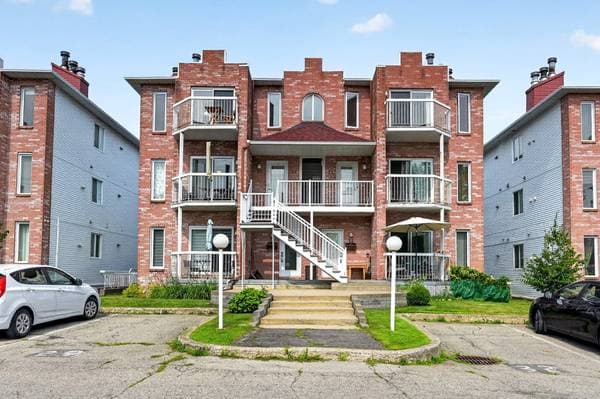
22 Rue de Maricourt #6
L'Île-Perrot
2 beds1 bath1118 ft²
Off-Island
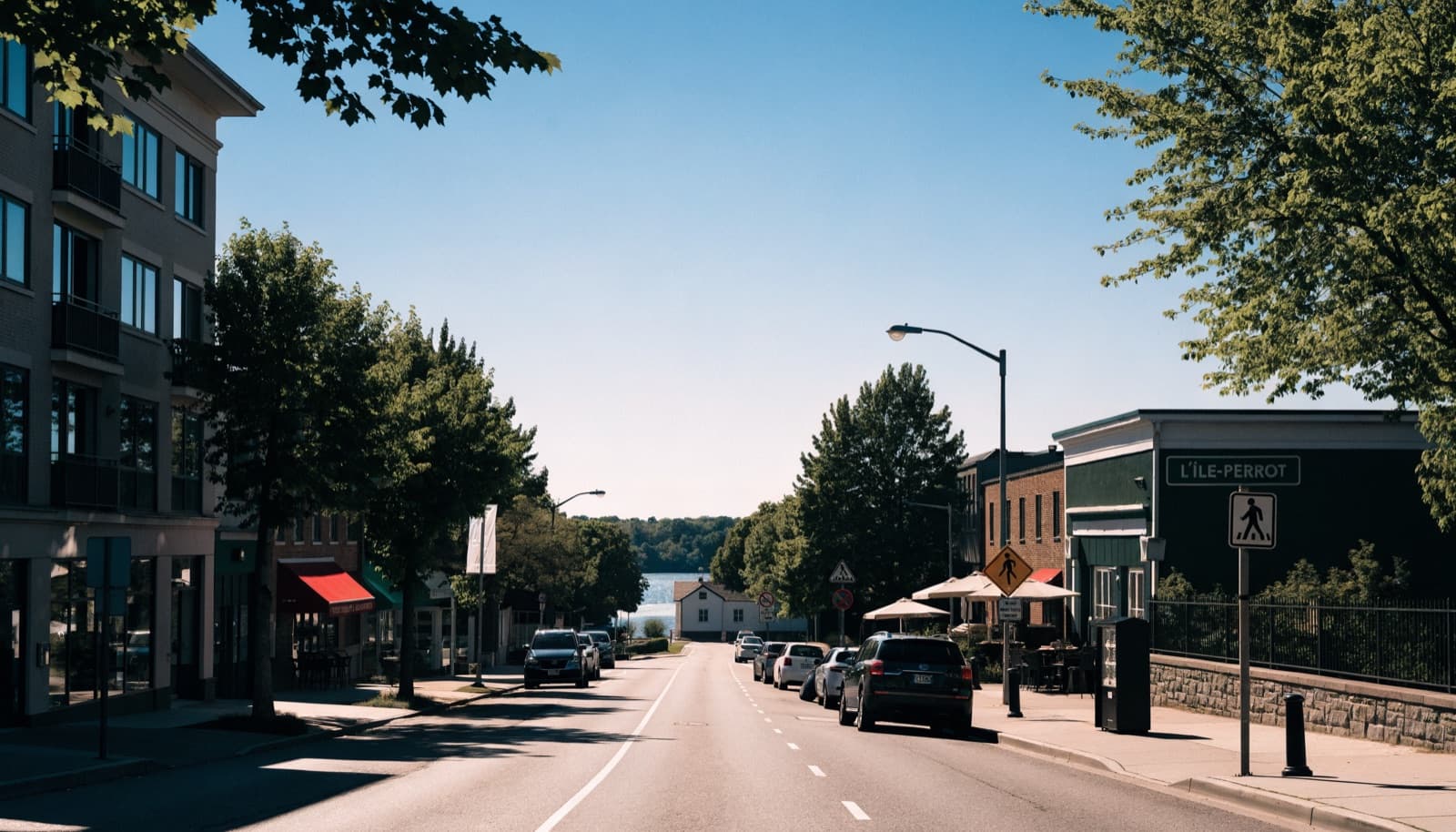
The practical front door of the off-island: an established, water-wrapped community with the island's commercial spine and closest ties to the West Island.
The practical front door of the off-island: an established, water-wrapped community with the island's commercial spine and closest ties to the West Island.
Highway 20 crosses the island, linking the West Island via Sainte-Anne-de-Bellevue and Vaudreuil-Dorion's highway network beyond. The Île-Perrot station on the exo Vaudreuil–Hudson line means train commutes without crossing a bridge.
Francophone students are served by the Centre de services scolaire des Trois-Lacs; eligible anglophone families fall under the Lester B. Pearson School Board, which covers the off-island communities.
Water on nearly every side, with parks and shoreline access facing Lake Saint-Louis, and island attractions like Pointe-du-Moulin and Quinn Farm a short drive away in Notre-Dame-de-l'Île-Perrot.
L'Île-Perrot is the front door of the off-island. Cross the bridge from Sainte-Anne-de-Bellevue and you're here — the first stop in Vaudreuil-Soulanges, close enough to the West Island that some residents still call it "basically Montreal," far enough that your mortgage payment disagrees. That in-between status is exactly the appeal: island living, literally, at off-island value.
The town shares its island with three neighbours — Pincourt, Notre-Dame-de-l'Île-Perrot, and Terrasse-Vaudreuil — and it plays the role of the island's commercial spine. Highway 20 runs straight through, lined with the everyday essentials: groceries, hardware, restaurants, and the services that mean you rarely need to leave the island for errands. Some see a highway strip; smart buyers see the convenience layer that makes the residential streets behind it work so well.
And those residential streets are the real story. The housing stock leans toward established neighbourhoods — tidy bungalows and split-levels from earlier suburban generations, many on generous lots with mature trees that new developments spend decades trying to grow. You'll also find newer townhouses and condos filling in near the commercial corridor, giving first-time buyers a foothold on the island. Waterfront and near-water pockets face Lake Saint-Louis and the channels around the island, where sunsets do a nightly show most people associate with cottage country.
Commuters are spoiled by choice. Highway 20 connects east to the West Island via the bridge at Sainte-Anne-de-Bellevue and west to Vaudreuil-Dorion, where Highways 30 and 40 open up. Better still, the island has its own stop on the exo Vaudreuil–Hudson line — Île-Perrot station — so you can board the train without ever crossing a bridge in the morning. When the Highway 20 corridor gets heavy at rush hour, and it does, the train is the local cheat code.
Families have both major school systems within reach: the Centre de services scolaire des Trois-Lacs on the francophone side, and the Lester B. Pearson School Board serving the off-island anglophone community — a meaningful perk for the many bilingual households that land here precisely because they want both options. Add parks, arenas, and organized sports shared across the island's four municipalities, and the family logistics mostly take care of themselves.
Nature is closer than the highway strip suggests. Beyond the town's own parks and water access, the island's southern and eastern reaches hold Pointe-du-Moulin and Quinn Farm in neighbouring Notre-Dame-de-l'Île-Perrot — the kind of windmill-and-apple-picking outings that fill a family's fall weekends without a road trip.
Who does L'Île-Perrot suit? The West Islander who's done the math. The first-time buyer who wants a real house with a real yard while staying close to friends, family, and a Montreal job. The commuter who wants a train station on their own island. It's not the region's most polished postcard — Hudson holds that title — but it might be its most practical purchase: an established, convenient, water-wrapped community at the exact point where the city lets go and the region begins.
Local business data powered by Google.