 New
New$695,000
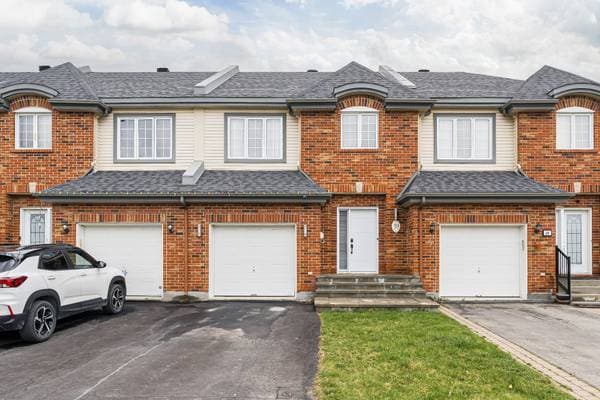
39 Rue des Hirondelles
Kirkland
3 beds1 bath
West Island
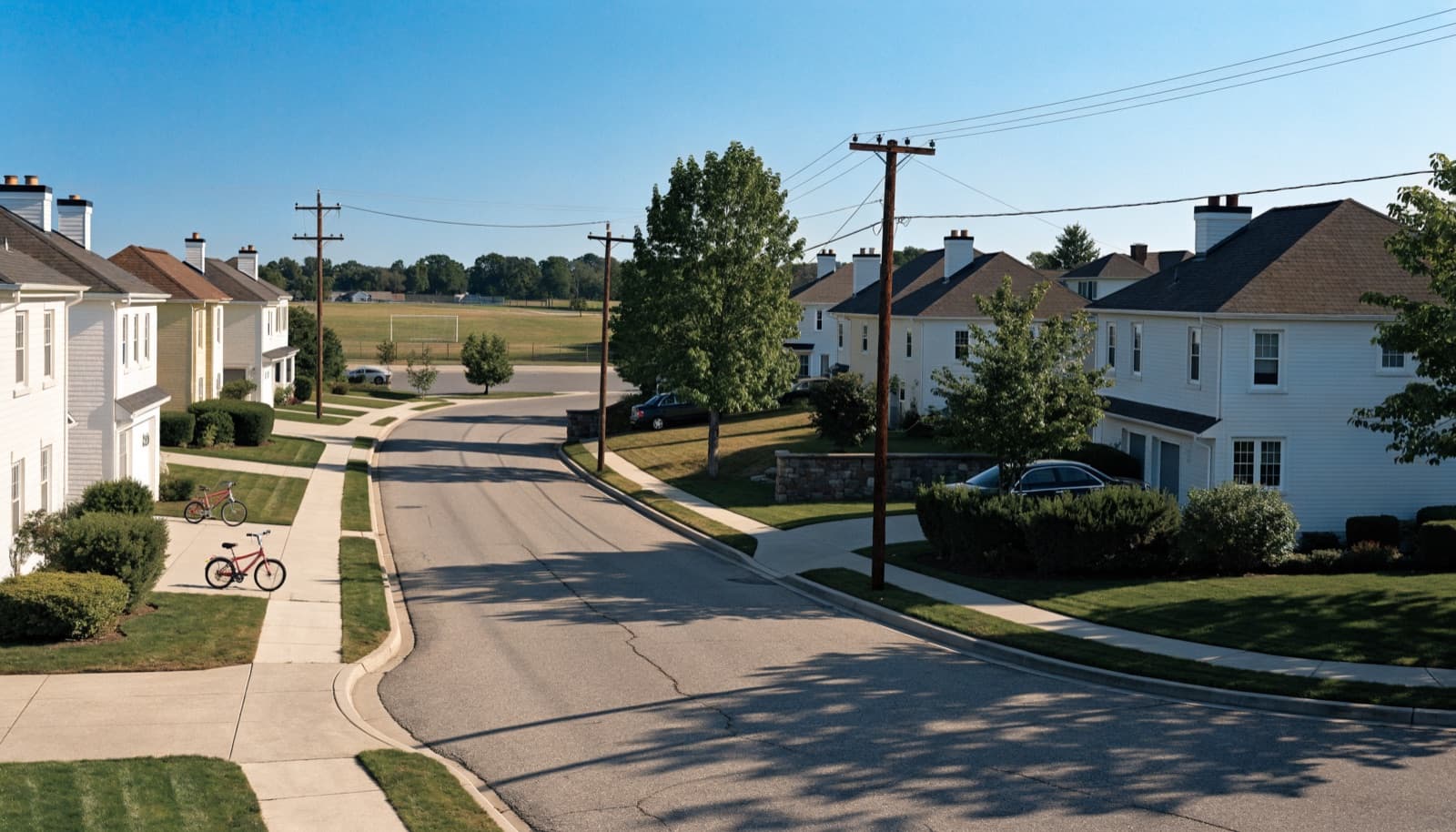
A planned, polished family suburb of spacious 1980s-90s homes, wide streets and cul-de-sacs, built around parks, sports and everyday convenience.
A planned, polished family suburb of spacious 1980s-90s homes, wide streets and cul-de-sacs, built around parks, sports and everyday convenience.
The REM's Kirkland station connects directly to the light-rail network, while Highway 40 and boulevard Saint-Charles carry drivers in every direction.
Served by both the Lester B. Pearson School Board and the Centre de services scolaire Marguerite-Bourgeoys, with the West Island's private schools within easy reach.
No waterfront, but a dense network of neighbourhood parks, sports fields and paths, with regional destinations like Cap-Saint-Jacques and the Morgan Arboretum a short drive away.
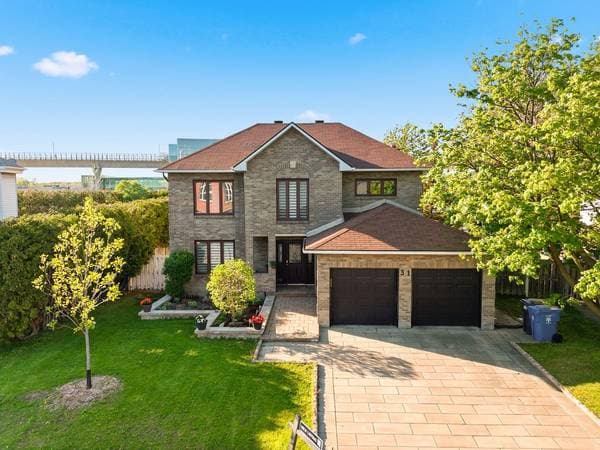
Kirkland is the West Island's overachiever from the class of the 1980s and 90s. While its lakeside neighbours were built out decades earlier, Kirkland grew up in one confident push — and it shows, in the best way. The streets are wide, the houses are roomy, the cul-de-sacs actually cul, and the whole city feels planned rather than accumulated. If you have ever walked into a Kirkland two-storey with its double garage, big foyer and backyard deck and thought this is exactly what I pictured when I said family house, you are the target demographic.
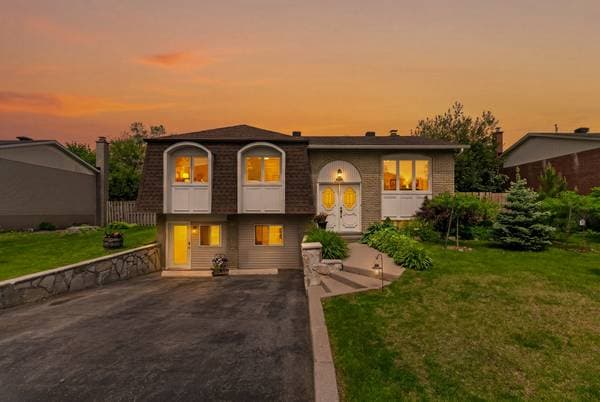
The housing stock is the most consistent in the West Island: predominantly detached two-storey homes and wide bungalows from the 1980s and 1990s, with pockets of newer construction and townhomes. Because so much of the city was built in the same era, buyers can compare apples to apples — the variables become the renovations, the lot, and the street rather than the century of construction. Many original interiors have now been updated, and fully renovated Kirkland homes are among the West Island's most in-demand family products.
Kirkland has no waterfront, and it compensates with practicality. This is one of the most convenient addresses in the region: Highway 40 runs along its spine, boulevard Saint-Charles crosses it, and the retail corridor along the highway means groceries, big-box stores, restaurants and the Cinéma Kirkland are essentially in-house. The REM's Kirkland station plugged the city directly into Montreal's light-rail network — a genuine game-changer for a suburb that used to be car-first by necessity.
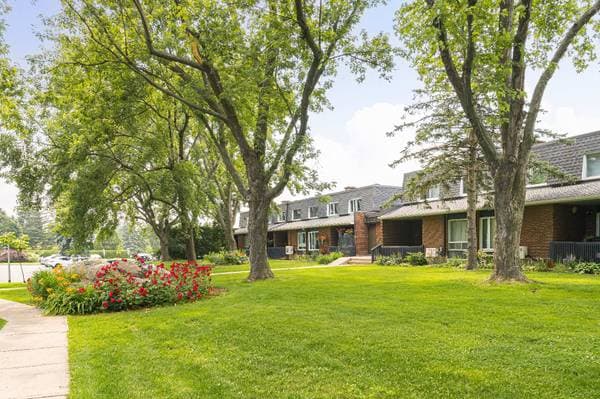
Families do very well here. The Lester B. Pearson School Board and the Centre de services scolaire Marguerite-Bourgeoys both serve Kirkland, and the city sits within easy reach of the West Island's private schools as well. Municipal life is built around parks, sports fields, arenas and the library — the city has invested steadily in recreation, and youth sports are close to a civic religion. Nearly every neighbourhood has its own park and playground within walking distance, connected by a network of paths.
Green space is more distributed than dramatic: rather than one signature nature park, Kirkland offers dozens of neighbourhood parks, sports complexes and green corridors, with the big regional destinations — Cap-Saint-Jacques, the Morgan Arboretum, the lakefront in Beaconsfield and Pointe-Claire — a short drive in any direction.
Who is Kirkland for? Families who want maximum house for their effort: space, bedrooms, garages, and a layout designed for actual modern life rather than adapted to it. It suits dual-commuter households (REM plus Highway 40 covers most scenarios), multigenerational families hunting for square footage, and buyers who prefer predictable, well-kept streets over fixer-upper romance. It is not the place for century-home character or waterfront sunsets — its neighbours handle those. Kirkland's pitch is simpler and very effective: the practical, polished family suburb that just works.
Local business data powered by Google.