 New
New$1,018,999
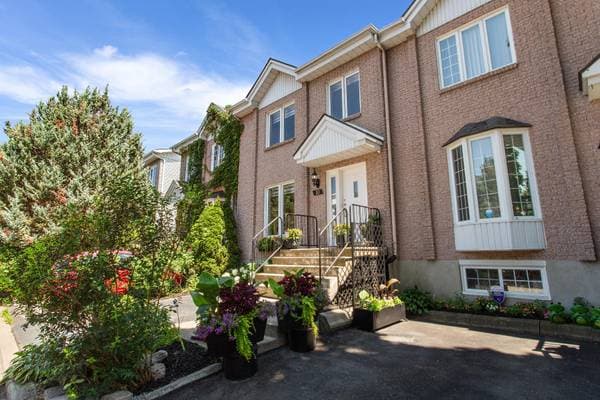
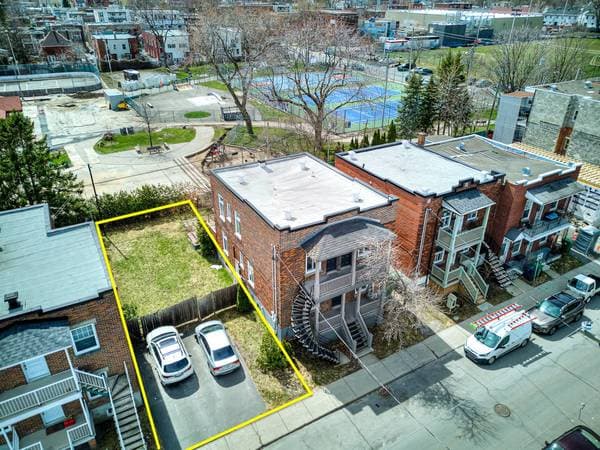
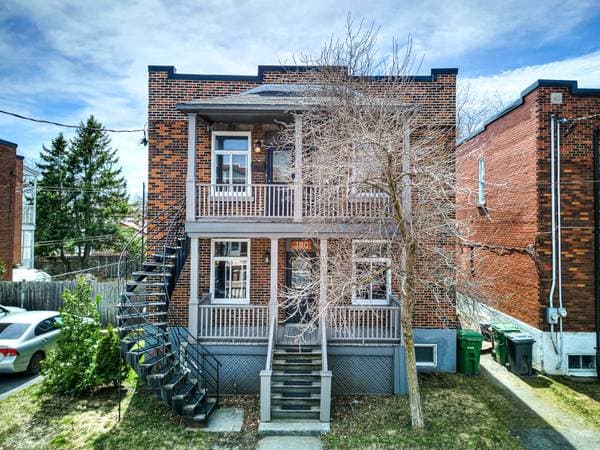
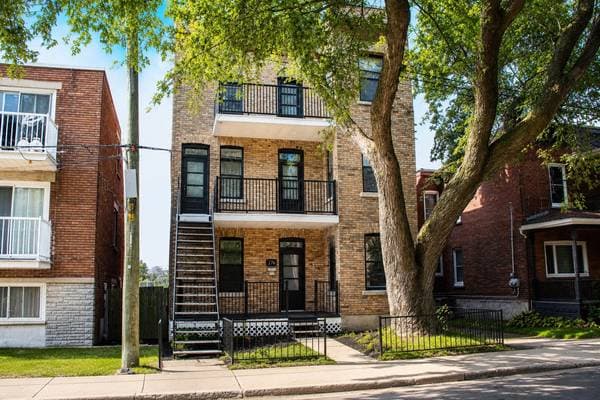
176 -180 Av. Ouellette
Montréal (Lachine)
3 beds1 bath
Montreal
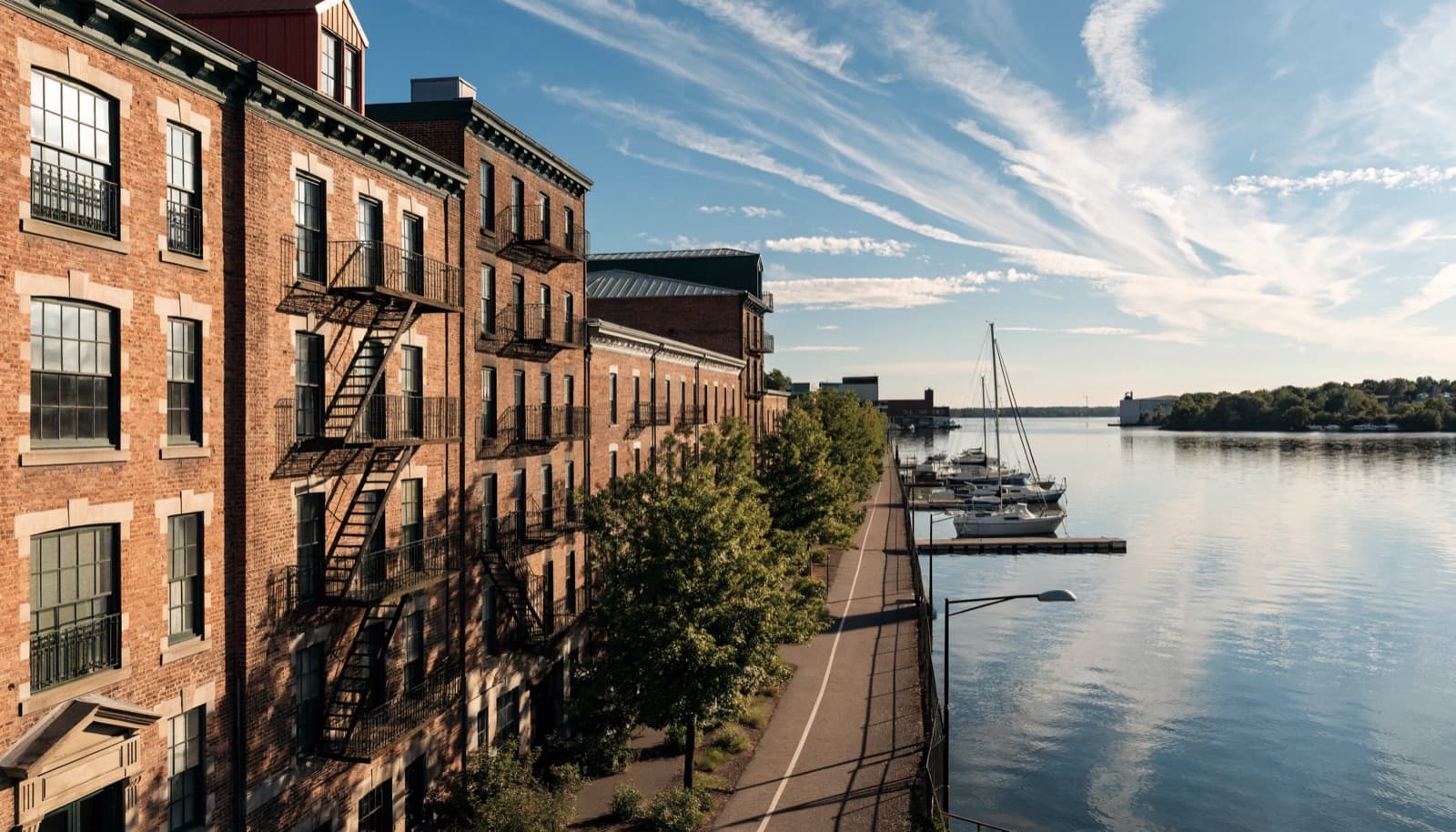
A historic canal-and-lakefront borough of Montreal: old-town charm on Boulevard Saint-Joseph, century homes and postwar bungalows inland, and former industrial land turning into canal-side condos.
A historic canal-and-lakefront borough of Montreal: old-town charm on Boulevard Saint-Joseph, century homes and postwar bungalows inland, and former industrial land turning into canal-side condos.
No REM or métro station in the borough — Highways 20 and 13 do the heavy lifting, with STM buses linking toward the métro and the exo Vaudreuil–Hudson line skirting the borough's northern edge.
Served by the Lester B. Pearson School Board (including Lakeside Academy) and the Centre de services scolaire Marguerite-Bourgeoys, with the private Collège Sainte-Anne in the historic core.
The Lachine Canal bike path, the sculpture-dotted peninsula of Parc René-Lévesque, Lac Saint-Louis waterfront parks, the marina and sailing and paddling clubs.
Lachine got its name as a joke — early explorers mocked the seigneury's owner for insisting a route to China lay just beyond the rapids — and the borough has been quietly getting the last laugh ever since. Because while buyers elbow each other in Saint-Henri and Verdun for a taste of canal-side living, Lachine sits at the other end of the very same Lachine Canal with more waterfront, more green space and, dollar for dollar, a lot more house.
The canal is the origin story. This is where Canadian industry grew up, and the corridor that once powered factories is now a national historic site with one of Montreal's most beloved bike paths running along it. Ride east and you reach the Old Port; stay west and the canal opens into Parc René-Lévesque, a long green peninsula dotted with outdoor sculptures where the canal meets Lac Saint-Louis. Few Montreal boroughs can offer a Sunday like that within walking distance of home.
Then there is the lake itself. Lachine's shoreline along Boulevard Saint-Joseph is the borough's living room: a string of waterfront parks, the marina, sailing and paddling clubs, and an old-town strip where the Musée de Lachine — one of the island's oldest surviving houses — anchors a genuinely historic core. Add the Fur Trade at Lachine national historic site by the canal and you have more heritage per block than districts twice as famous.
The housing stock covers every chapter. Near Saint-Joseph and the old town you will find century homes and handsome brick duplexes; the inner streets fill out with postwar bungalows and modest family homes from the boom years; and along the canal, former industrial land has been reborn as condo territory. The most watched file is Lachine-Est, the vast former industrial sector slated for redevelopment as a new canal-side neighbourhood — a long-term project, but one that tells you which way this borough is heading.
Now, the honest commute talk, because we do not sugar-coat here: the REM does not stop in Lachine, and neither does the métro. This is a drive-and-bus borough. Highways 20 and 13 frame it, making downtown, the airport sector and the West Island quick by car; STM buses link toward the métro and the rest of the network; and the exo commuter line toward Vaudreuil–Hudson skirts the northern edge of the borough rather than its lakeside heart. For many buyers, that transit gap is precisely why the price of waterfront living here still makes sense.
Families are well served. The Lester B. Pearson School Board covers the English sector — Lakeside Academy is right in the borough — the Centre de services scolaire Marguerite-Bourgeoys handles the French side, and the private Collège Sainte-Anne in the old town draws students from across the region. The Lachine Hospital gives the borough its own healthcare anchor, a rarity at this scale.
Who is Lachine for? Cyclists and paddlers who want the canal-and-lake life without the loft-district price tag. Young families trading a cramped condo for a bungalow with a yard. Buyers betting on Lachine-Est before everyone else does. And anyone who has stood in Parc René-Lévesque at sunset, looked back at the city, and wondered why they were paying more to live further from the water.
Local business data powered by Google.